
When we think of the Brontës we think, naturally, of those three genius writers: the sisters, Charlotte, Emily and Anne Brontë. But there were, of course, others in that close knit family unit, and within the inhabitants of Haworth Parsonage. In today’s new post we look at the relationship between two of them: Branwell Brontë and Elizabeth Branwell, commonly referred to as Aunt Branwell.
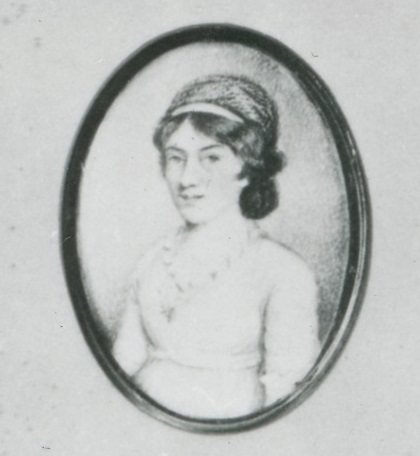
Aunt Branwell came to Haworth Parsonage from Penzance in 1821, initially to nurse her sister Maria and after Maria’s death remaining until her own death 21 years later. It’s easy to expect the relationship between aunt and nephew to be fraught – here, after all, was a deeply devout woman who always wore black and who owned a teapot dedicated to Haworth’s 18th century preacher William Grimshaw. Branwell Brontë, on the other hand, was a fun loving boy who grew into a man beset by demons of addiction to alcohol and opiates. Some point to Elizabeth Branwell’s will, in which she leaves: ‘my Japan dressing-box I leave to my nephew Patrick Branwell Brontë.’ This was the only thing she left to him; her estate she divided equally between four nieces: Eliza Kingston of Penzance, and Charlotte, Emily and Anne Brontë.

And yet, the truth is that there was a close and loving relationship between Aunt and Nephew and one that is brought clearly to light in letters that Branwell Brontë wrote on this week, and next week, in 1842 as he watched over his aunt on her deathbed.
On 25th October 1842, in a letter to his friend Francis Grundy, Branwell wrote: ‘I have had a long attendance at the deathbed of the Rev. William Weightman, one of my dearest friends, and now I am attending at the deathbed of my aunt, who has been for twenty years as my mother. I expect her to die in a few hours… excuse this scrawl, my eyes are too dim with sorrow to see well.’
Charlotte, Emily and Anne were all away from Haworth at this time, but Branwell kept up a faithful, anguished vigil by his aunt’s side for four days. On 29th October he wrote once more to Grundy: ‘I am incoherent, I fear, but I have been waking two nights witnessing such agonising suffering as I would not wish my worst enemy to endure; and I have now lost the guide and director of all the happy days connected with my childhood.’
So there we have Branwell’s true opinion on her aunt: she has been like a mother to him, she was the guide and director of all the happy days in his childhood. It’s clear there was a deep love and mutual affection between them, so why didn’t Aunt Branwell remember him more fully in her will? Quite simply, she expected Branwell to be able to earn a living and make his own way in life and the item she left him was a prized possession to her: a beautiful lacquered box she had brought with her from Penzance.
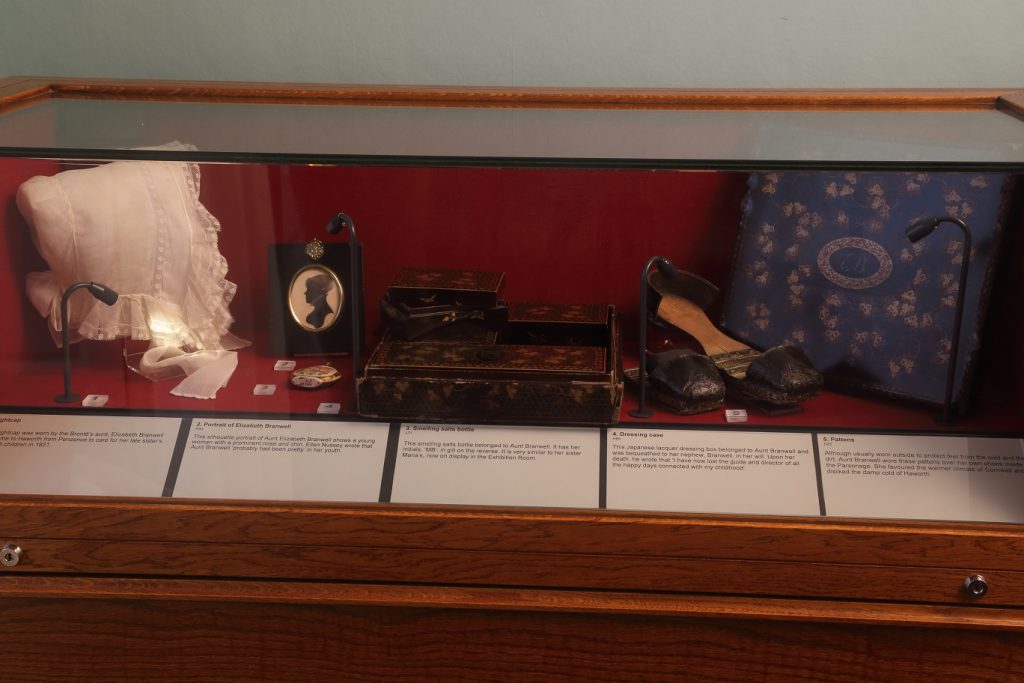
Aunt Branwell’s will certainly did support her nieces, just as she had throughout her life: it was her legacy that later paid for the publication of the very first Brontë book: Poems by Currer, Ellis and Acton Bell. Let us remember Aunt Branwell fondly this week, on the anniversary of her passing, just as Branwell Brontë did. I hope you can join me next week for another new Brontë blog post.
Fascinating – it is very interesting
Thanks Tim.
Thank you for this most thoughtful post.
Thank you Jesse.